Floor sanding and restoration

Floor Sanding & Restoration

A brief insight to our floor sanding & restoration process

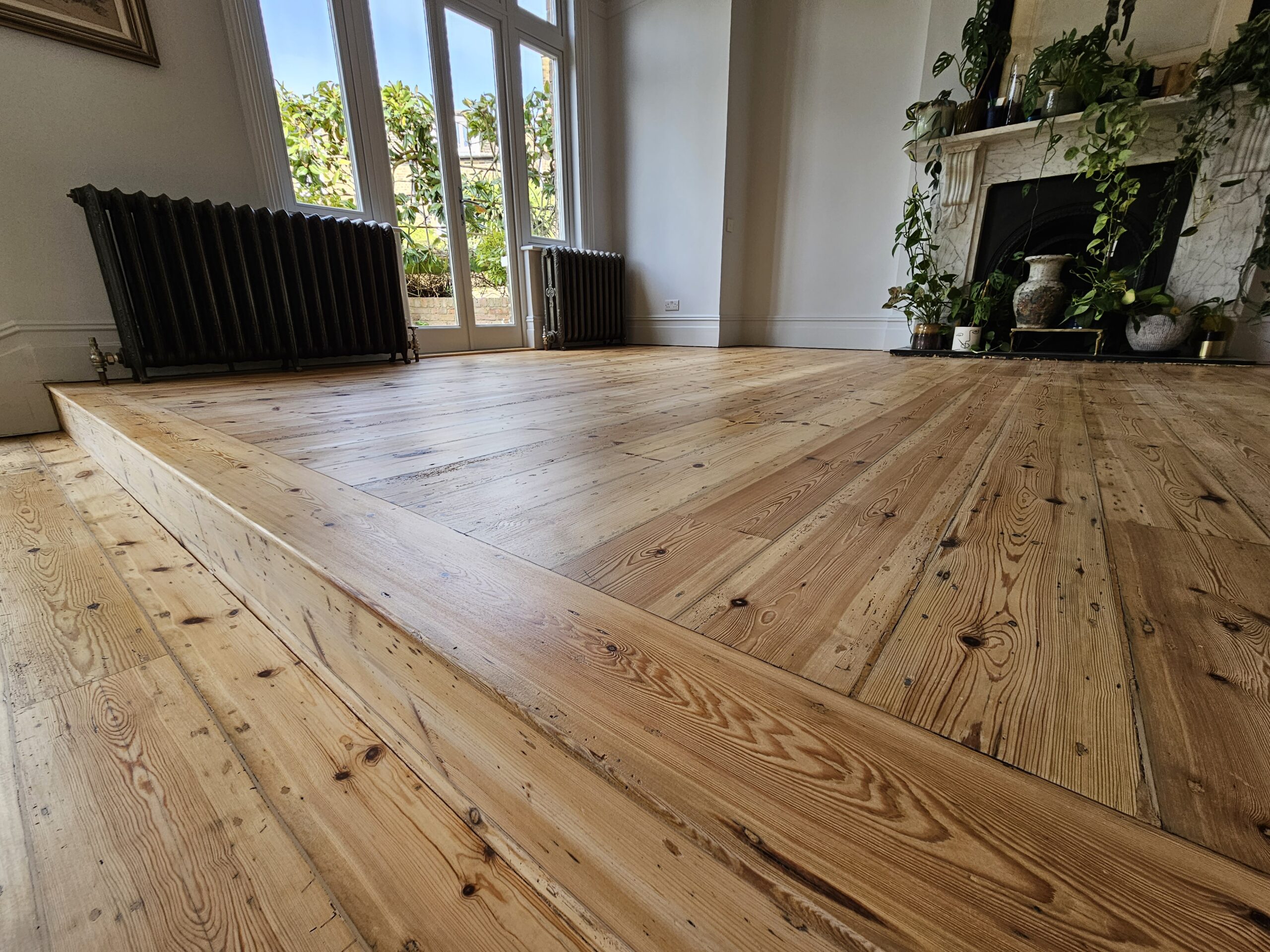
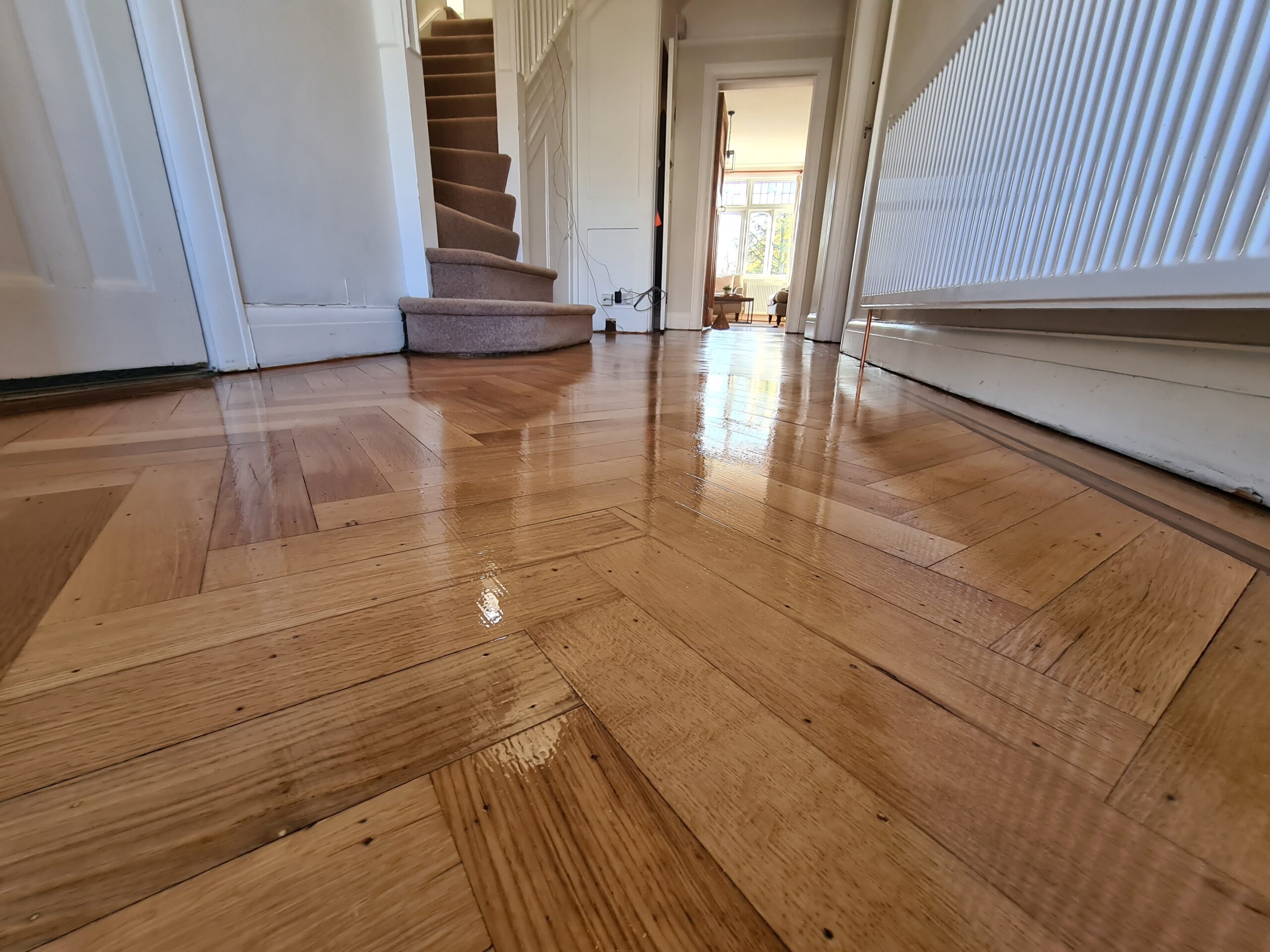
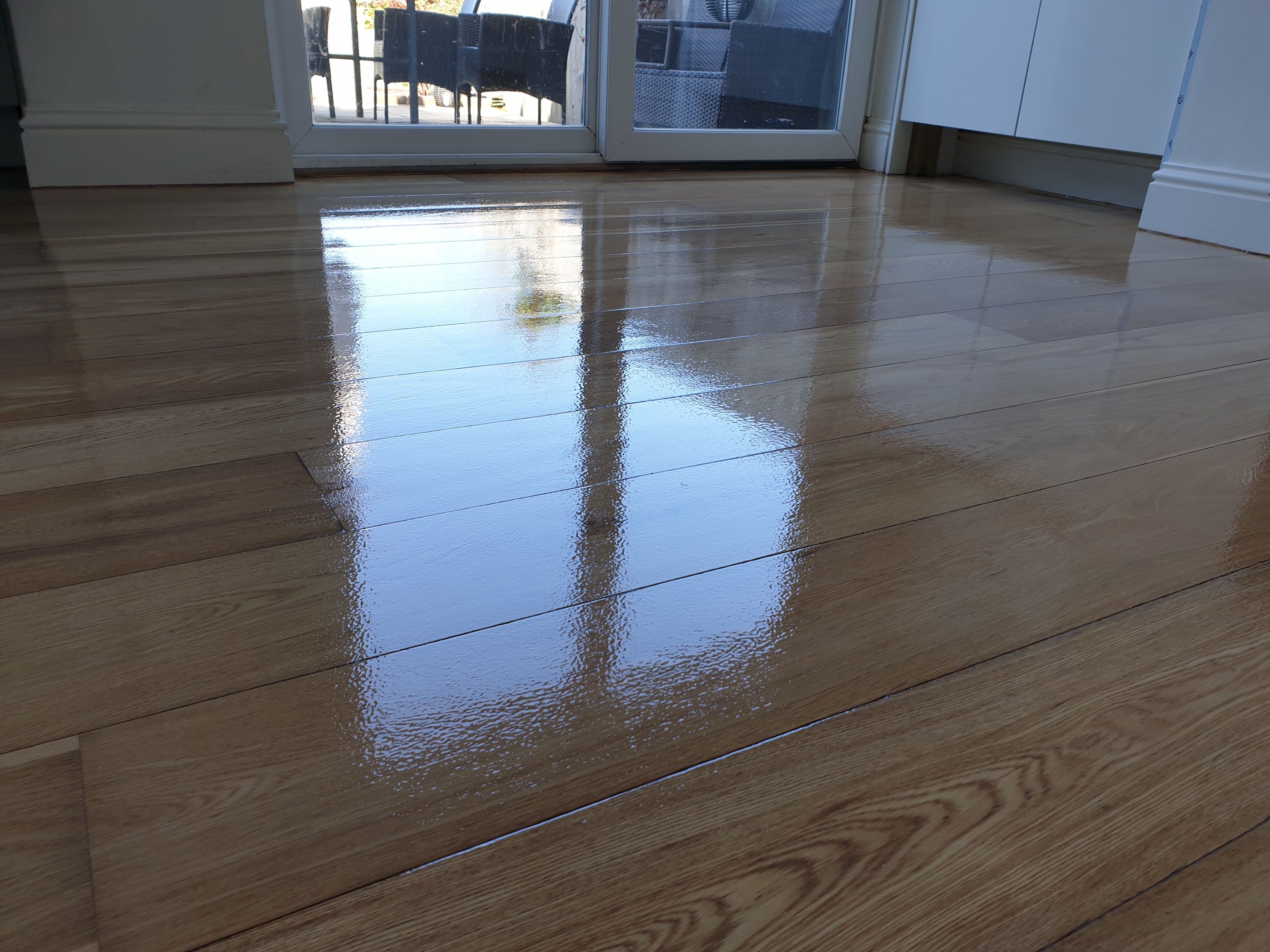
Floor sanding and restoration for homes and commercial spaces across South East London & Kent. We restore original floorboards, hardwood and parquet using a careful multi-stage process that brings tired floors back to life with a smooth, durable finish.


Not All Floors Can Be “Buffed & Recoated”

In many cases — particularly in kitchens, hallways and high-traffic areas — the original finish will have worn through completely, allowing staining and wear to penetrate the wood.

At this stage, a simple buff and recoat will not resolve the issue and often results in patchy finishes, poor adhesion and short-term results.

Where this is the case, a full sanding and refinishing process is required to achieve a consistent, long-lasting finish.

We do not offer quick cosmetic fixes that won’t last — our focus is on doing the job properly the first time.

Wood Floors We Commonly Restore

We restore a wide range of wooden floors across South East London and Kent, including original pine floorboards, parquet, hardwood and carefully sandable engineered wood floors. Every floor is assessed individually to ensure the sanding process, preparation and finish are suited to the type of timber, its condition and the level of wear.

  • Original pine floorboards
  • Victorian and Edwardian floorboards
  • Parquet and herringbone floors
  • Hardwood flooring, including oak
  • Engineered wood floors with a suitable wear layer

For full-room and multi-room projects, see our floorboard sanding services, parquet floor restoration and hardwood floor restoration pages for more specific guidance.


Why Our Pricing Reflects Our Standards

We use professional dust-controlled machinery, premium lacquers and a careful multi-stage sanding process on every project. Our pricing reflects the level of workmanship and materials required to achieve a long-lasting, high-quality finish — without shortcuts.

Floor Sanding

Before we can begin sanding, we start by assessing the floors. It is at this stage we will check for damaged or loose floorboards, as well as checking for any cut-clasp nails sitting proud (very important as these can easily take chunks out of the main drum). For Hardwood strip and Parquet floors, we will check first check the wear-layer, followed by checking for any loose or hollow sounding blocks. Once we’re satisfied the floors are secure and any repairs have been taken care of, it’s time for sanding!

It may be necessary to begin at a 25-45 degree angle, depending on how flat the floors are. In doing so, this will help to level the floors and also remove any cupping -if present. The second step of the process is to then sand the floors in the direction of the grain (impossible for Parquet -we know). It’s important to use a new abrasive of the same grit for this step, as it will ensure all the previous diagonal scratches are properly removed.

Wood Floor Restoration Services

Medium Floor Sanding

For the medium process, we usually start at either a 50 grit or 60 grit -depending on our initial phase and also how much material we have to work with in regards to the floor thickness. We find the medium sanding to be an important stage in the process as it’s what transitions the floors from coarse to smooth and also seems to remove some of the smaller imperfections the coarser abrasives couldn’t quite get to.

At this stage the floors will really start to take shape. Not only will the floors now look a lot flatter, they will also feel much smoother and be free of the deeper scratches from the previous process.

We always suggest giving the floors another thorough vacuum at this point. This will ensure the floors are free of any abrasive fragments and help achieve fat greater results for the next step ‘Fine Sanding’.

Wood Floor Restoration Services

Work is carried out across full rooms and larger areas to achieve a consistent finish throughout.

We do not undertake isolated patch repairs, cosmetic touch-ups, or single-board replacement services.

Not sure what level of sanding your floors need?

Every floor is different. We assess condition, thickness, and wear before recommending the most suitable sanding approach — no guesswork, no unnecessary work.

Fine Floor Sanding

Now that the floors have been vacuumed, we prepare our machine for the final-phase with the belt sander. We’ll do this using an 80 grit sand paper followed by 120. The floors will now be extra smooth to the touch, free of all imperfections and best of all; nearly ready for a finish to be applied! But first we must move on to our final stage of the process: ‘Fine Floor Sanding’.

For fine floor sanding we use a specialist machine called the Bona Flexisand 1.9. Our team carefully buff the entire floor. In using the multi disc plate we can provide an even scratch pattern (not visible to the eye) that is crucial for the finishing process. This will prevent the dreaded ‘halo’ effect around the perimeter of the room, which will become visible when a finish is applied.

It’s important to note: all of the above stages must also be carried out to the edges of the rooms. This is done using our edge sander for the coarse and medium sanding. With the final-phase carried out using our Festool Rotex random orbital sander.

Wood Floor Restoration Services